Commercial HVAC Insulation Standards
HVAC Duct Insulation in Canada & US: Code, Performance & Best Practices
Most HVAC duct insulation requires airspace that tight mechanical rooms don't have. Here's how commercial contractors spec around it in Canada and the US.
HVAC Duct Insulation for Commercial Buildings: The Canada and US Contractor Guide
You're on a commercial job in Canada or the United States, the mechanical room is packed, and the spec sheet calls for insulated HVAC ducts. The problem is not the product — it's the space. Most commercial insulation on the market requires 3/4" to 1" of clear airspace to perform as rated. On a congested mechanical floor, that clearance doesn't exist.
This guide breaks down what commercial HVAC duct insulation actually requires, what the specs mean, and how reflective bubble foil insulation solves the airspace problem that fiberglass and foam board cannot.
Why HVAC Duct Insulation Matters on Commercial Jobs
On commercial and industrial projects across Canada and the United States, uninsulated or under-insulated HVAC ducts create real problems. Warm supply air picks up heat from unconditioned mechanical spaces. Cold ducts sweat and drip in humid environments. Energy performance numbers miss their targets. Projects fail inspection.
The International Mechanical Code (IMC), the National Building Code of Canada (NBC), and ASHRAE 90.1 all mandate duct insulation thresholds for commercial systems. Contractors don't get to skip this step; they get to choose the right product before install day, not after.
The spec requirement that trips up most jobs is this: insulation has to achieve its rated R-value under installed conditions. That distinction matters more than most contractors realize before they are standing in a packed mechanical room with a roll of fiberglass in their hands.
The Airspace Requirement Problem With Traditional Insulation
Reflective insulation products, foil-faced materials, radiant barriers, and multi-layer wraps have long carried an asterisk in their spec sheets: rated R-value achieved with 3/4" minimum airspace on one side.
That airspace is not optional. Without it, the product does not perform as rated. The reflective surface needs a dead air zone to work. On a clean lab bench, that requirement is easy to meet. In a real mechanical room, it is not.
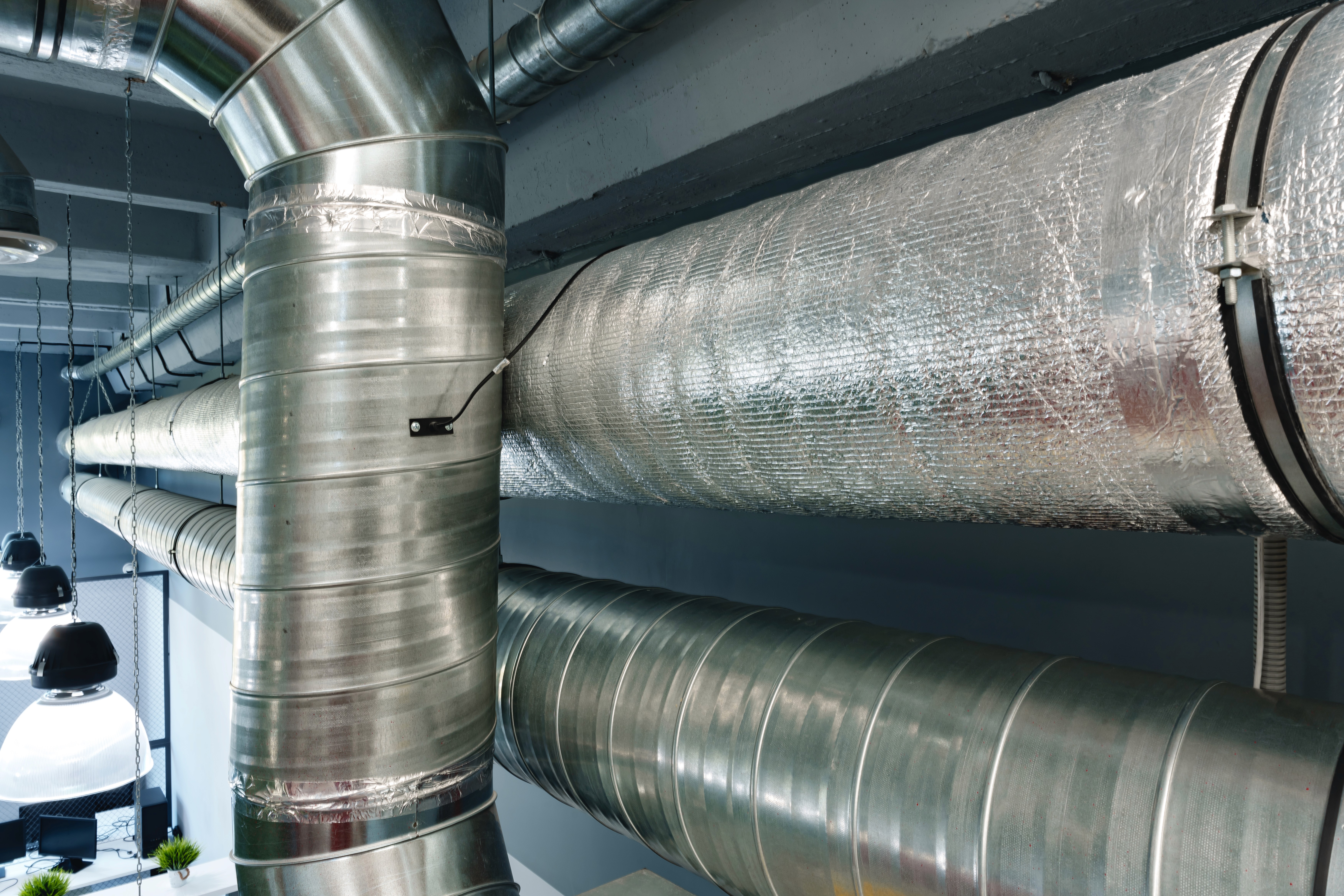
Commercial HVAC installations involve ducts running in parallel banks, ducts stacked above equipment, ducts routed into wall cavities, and ceiling plenums. On renovation and retrofit jobs in particular, the available clearance between duct surfaces and adjacent structure is often zero. Traditional reflective insulation becomes useless in those conditions, or contractors install it incorrectly and hope no one notices.
Fiberglass duct wrap avoids the airspace problem but introduces others: it requires vapor barrier attention, it absorbs moisture, and on exposed mechanical equipment, it presents a surface that collects contamination over time. For contractors working in food processing, pharmaceutical, or clean-air commercial environments, fiberglass is simply not the right call.
How Reflective Bubble Foil Insulation Eliminates the Airspace Requirement
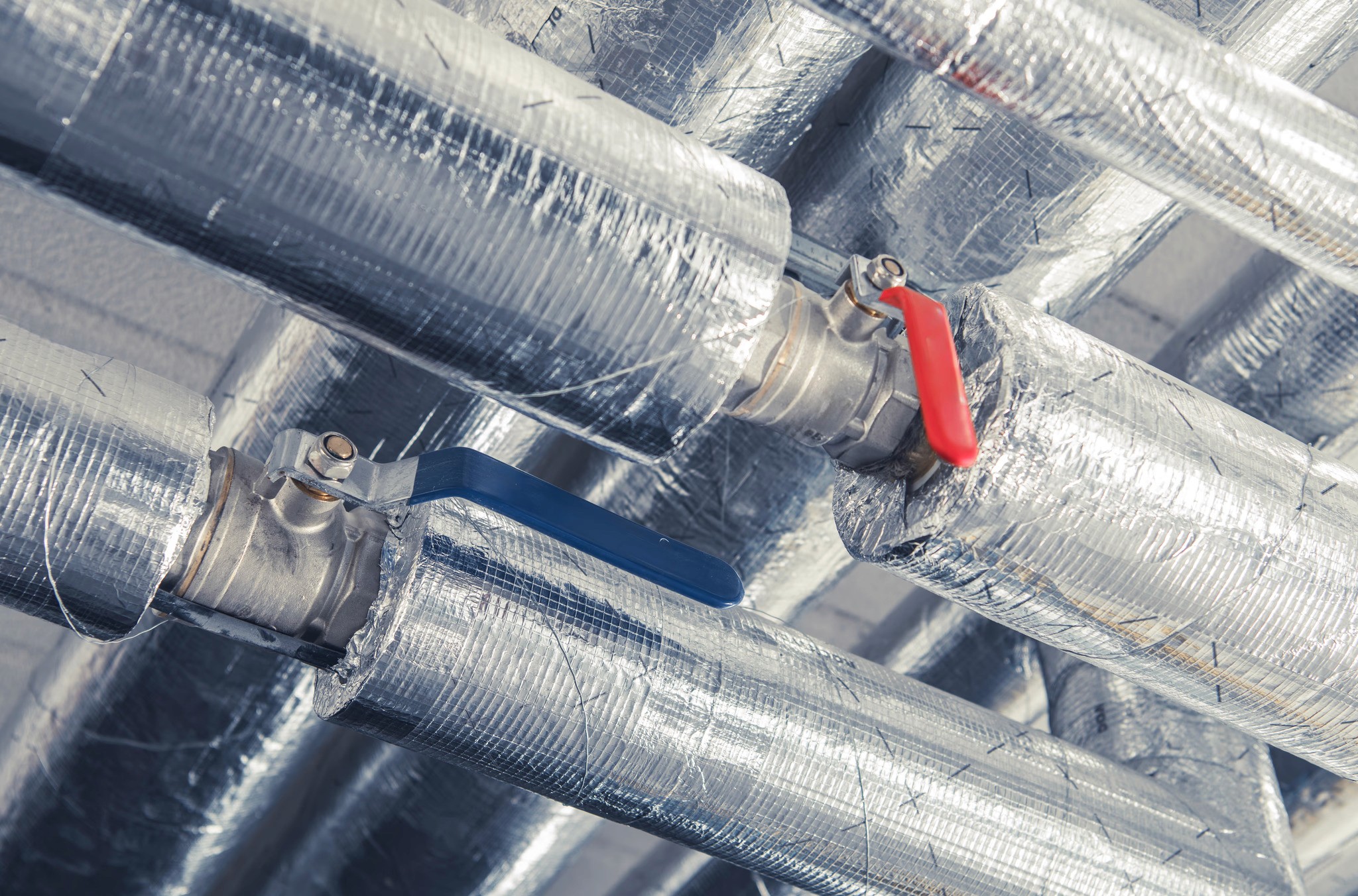
Insulapack's HVAC duct insulation is built differently. The product uses a multi-layer construction where sealed air pockets are engineered into the material itself — not created by installing the product away from the duct surface.
That internal structure is the key distinction. The thermal resistance comes from within the product. No external airspace. No spacers. No standoff clips.
The rated R-value — R-10.6 per inch — is achieved in direct contact with the duct surface. That means the product performs correctly whether the duct is in a wide-open mechanical room or jammed against the roof deck with no clearance to spare.
For commercial HVAC contractors in Canada and the United States, this is not a minor technical point. It is the difference between a product that works on every job and a product that only works on easy jobs.
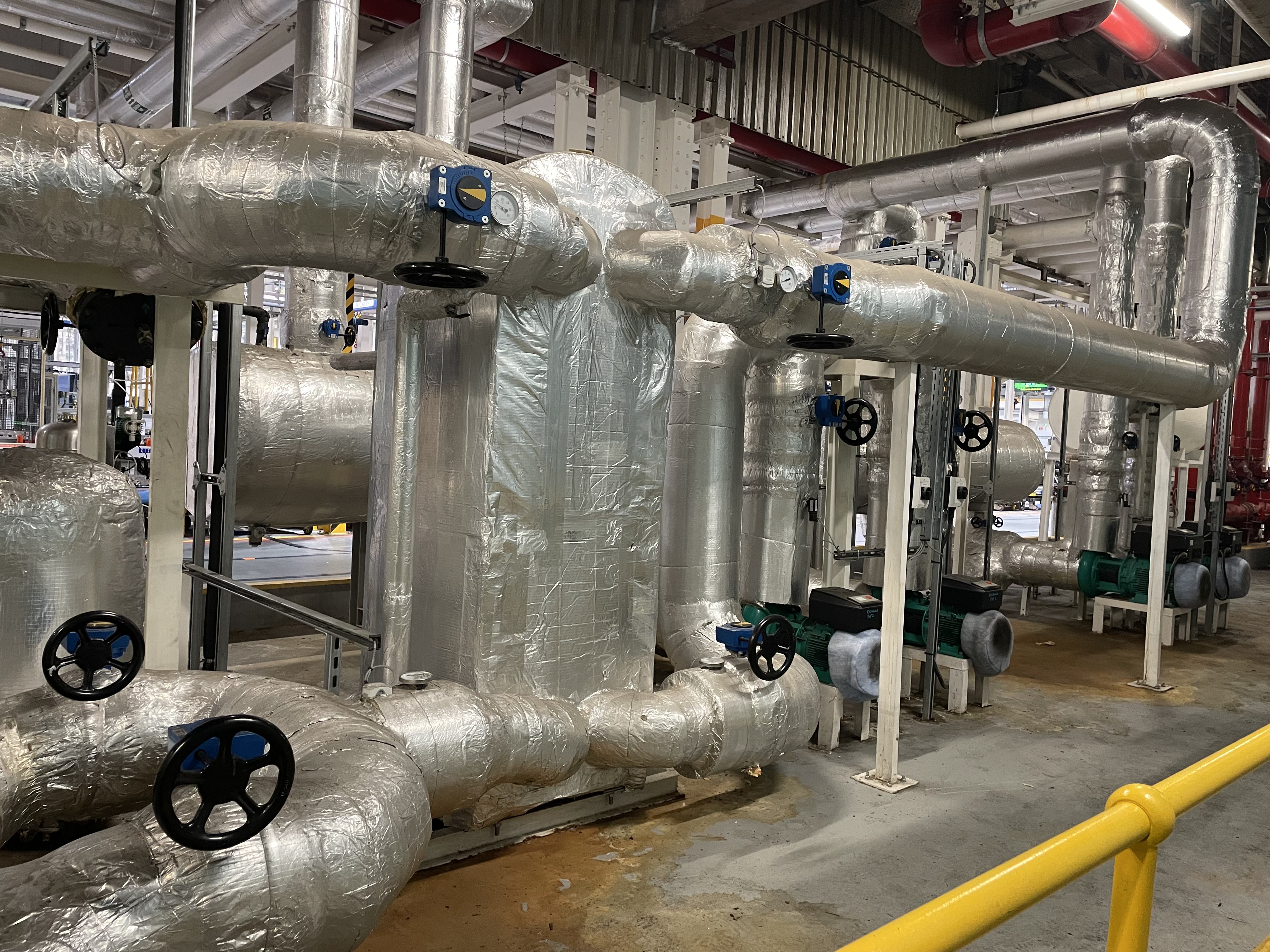
Caption: Commercial HVAC pipe insulation in an industrial mechanical facility — no airspace required between insulation and adjacent structure.
ASTM E84 Class A — What the Fire Rating Means for Your Job
On commercial work, fire ratings are not optional. The International Building Code, provincial codes across Canada, and state codes across the United States all mandate that mechanical insulation installed in air plenums, return air spaces, and commercial occupancies meet ASTM E84 Class A minimums, Flame Spread Index of 25 or less, and Smoke Development Index of 450 or less.
Insulapack's reflective bubble foil insulation carries the ASTM E84 Class A rating. That means it can be specified on commercial institutional projects, healthcare facilities, multi-tenant commercial buildings, and industrial applications without a code variance. When the building inspector or the specifying engineer asks for the fire rating documentation, the answer is ready.
Contractors who short-cut fire ratings on mechanical insulation create liability for themselves and expose their clients to code deficiencies on certificate of occupancy. The spec matters. The rating has to be on the product data sheet before install day.
Where Insulapack HVAC Duct Insulation Performs Best
Insulapack's duct insulation is engineered for commercial and industrial applications across Canada and the United States. The product performs across a wide range of conditions, but it is specifically suited to the jobs where conventional products run into problems.
Tight mechanical rooms and equipment rooms. Where clearances are limited, and airspace for reflective products simply does not exist. The no-spacer-required construction means the product performs as rated regardless of how crowded the install is.
Renovation and retrofit projects. Existing buildings are rarely laid out the way new construction allows. Ducts run where the structure allows, not where an insulation manufacturer's installation guide assumes. Insulapack installs where the duct is, without modification.
Temperature-sensitive commercial spaces. Cold storage facilities, server rooms, healthcare mechanical rooms, and food service spaces where thermal control is not cosmetic — it is functional.
Roof-mounted and exterior mechanical systems. Where thermal exposure is significant and vapor transmission control matters alongside R-value.
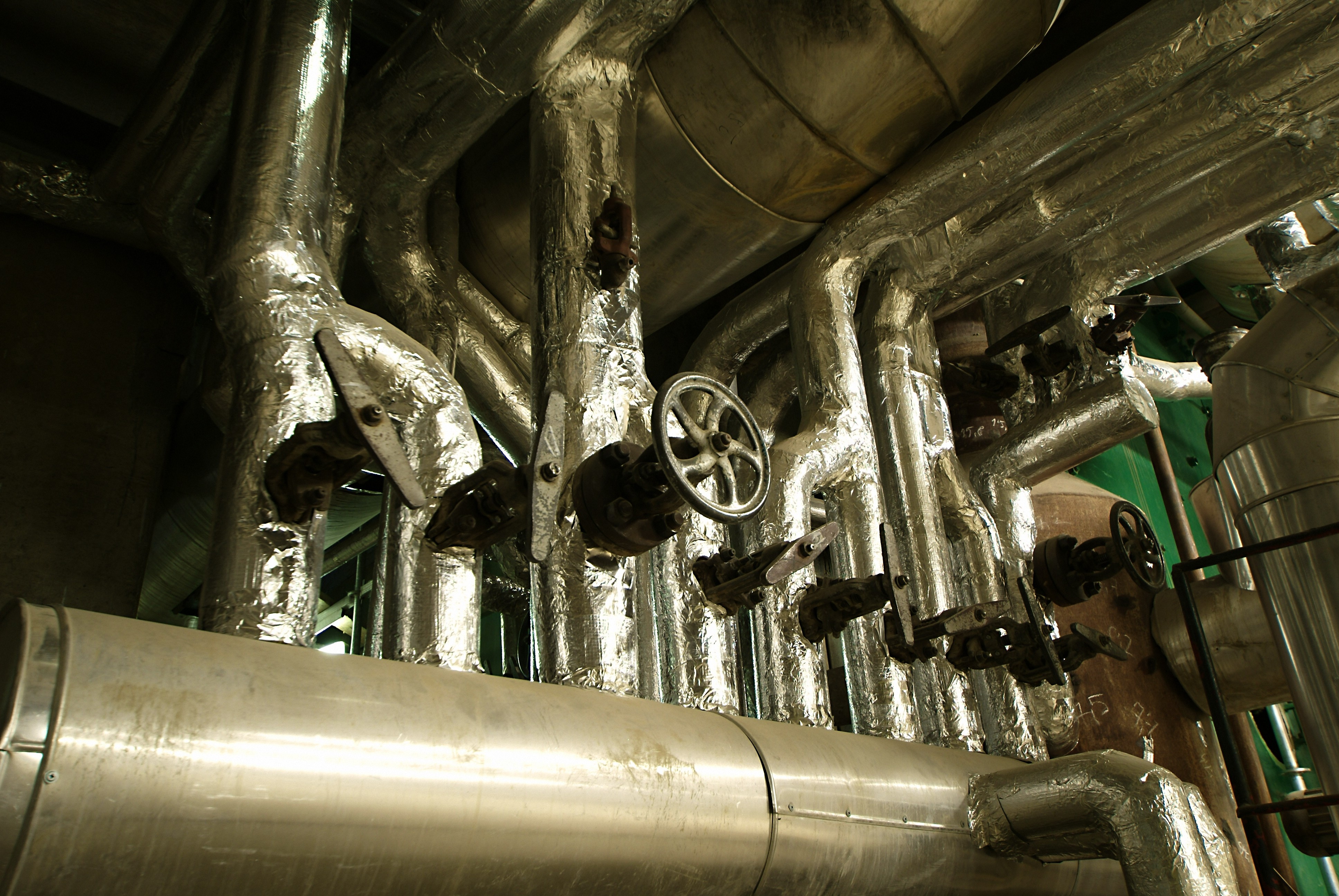
Industrial facilities. Process piping and mechanical equipment where LEED compliance, fire barrier insulation requirements, and tight tolerances are all on the table at once.
Sourcing Commercial HVAC Duct Insulation in Canada and the United States
Insulapack ships to commercial contractors and distributors across Canada and the United States. The business model is B2B — orders are fulfilled on a quote basis to trade customers, not retail.
Lead times are a practical advantage over offshore-sourced alternatives. Canadian and US distributors can source Insulapack product without the extended lead times that come with imported material. For contractors managing tight construction schedules, that matters.
LEED documentation, fire rating test reports, and technical data sheets are available for specification packages. If the specifying engineer or building owner needs compliance documentation, it is available before the material order is placed. View the full range of commercial insulation applications to confirm product fit for your scope.
The Right Duct Insulation for the Job
Commercial HVAC duct insulation is not a commodity line item. The product you spec determines whether the job performs correctly at inspection, whether the installation is physically possible in the available space, and whether the fire rating holds up to scrutiny.
If your jobs involve tight mechanical rooms, constrained clearances, or specifications that call for ASTM E84 Class A fire-rated insulation with no airspace requirement, Insulapack is built for that application.
Our team responds within one business day.
Technical Specifications