Mechanical Room Insulation Solutions
Tight Mechanical Rooms: How Reflective Insulation Solves Space Constraints
Tight mechanical rooms leave no room for airspace. Here's how commercial contractors insulate pipes and ducts when clearance is the problem.
Tight Mechanical Room Insulation: The Complete Guide
You've got 2 inches of clearance. The spec calls for insulation. Most products on the market require 3/4" to 1" of clear airspace just to perform — and that's before the material itself takes up space. You're stuck before you start.
Tight mechanical rooms are one of the most common installation headaches for commercial HVAC and mechanical insulation contractors across Canada and the United States. This guide covers why the airspace problem exists, why most products make it worse, and what a proper solution actually looks like.
Why Tight Mechanical Rooms Are a Different Problem
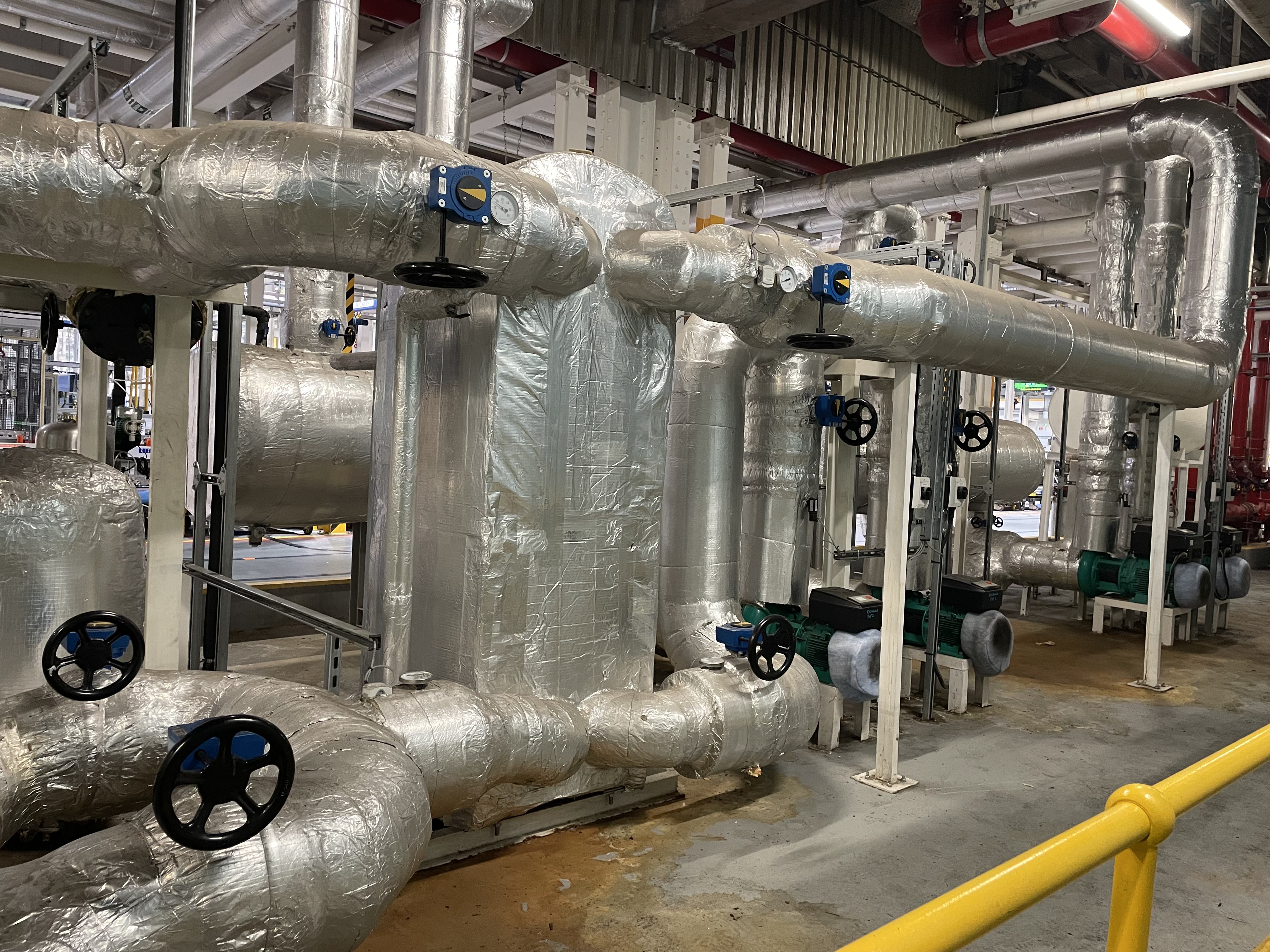
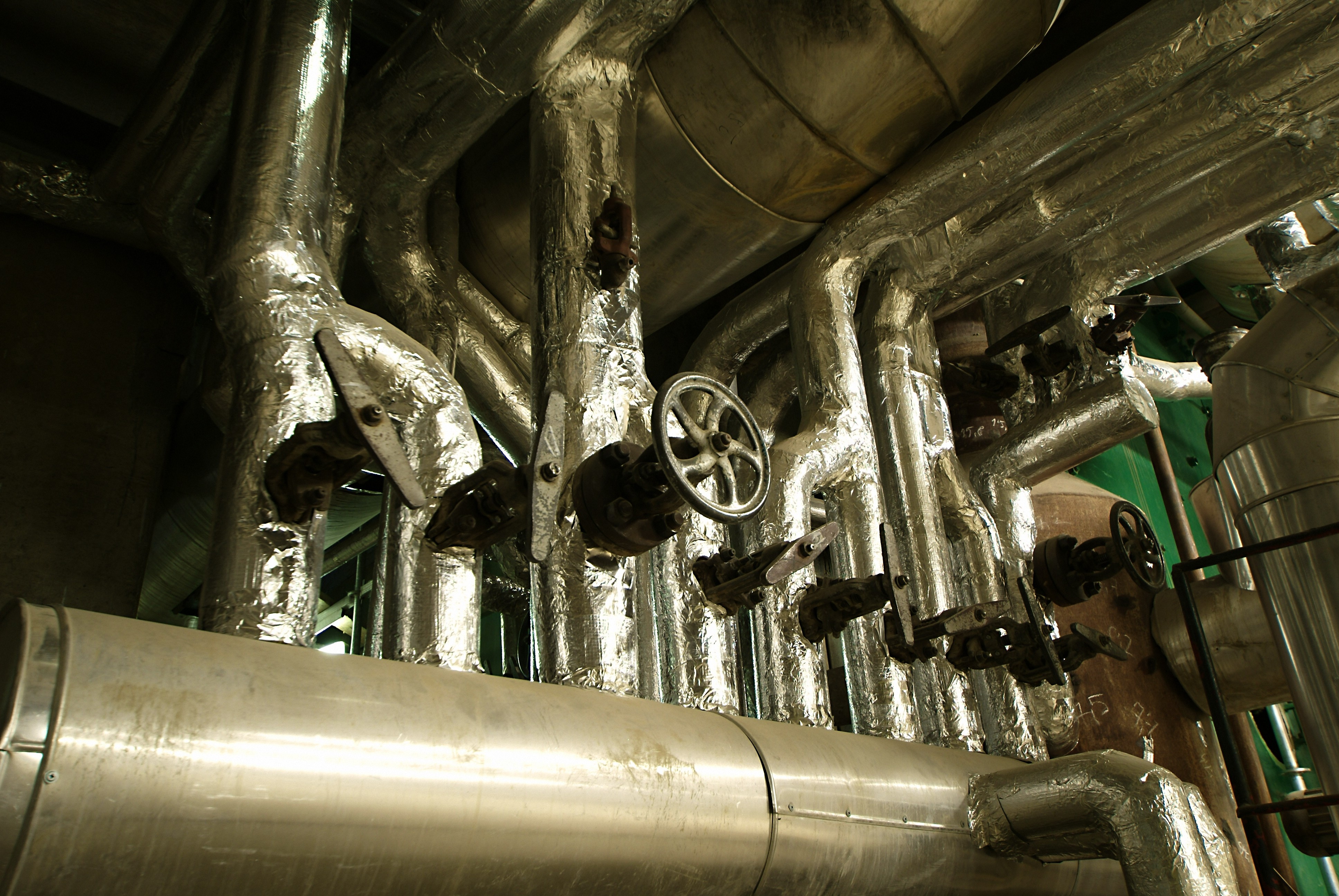
A mechanical room isn't a wall cavity. There's no forgiving margin for error and no way to reframe the space to fit a product. Pipes, ducts, conduit, and equipment fill every available inch — and clearance between surfaces is often measured in fractions, not feet.
The problem compounds when you factor in code compliance. A job that looks finished is not a job that passes inspection. Insulation installed without achieving its rated thermal performance is effectively uninstalled — it just looks like it's there.
Most contractors know this. The question is what to do about it.
The Airspace Problem With Standard Reflective Insulation
Traditional reflective insulation works by bouncing radiant heat off a reflective surface. The physics require an air gap between the insulation and the adjacent surface — typically 3/4" to 1" of clear space — for the product to achieve its rated R-value.
That requirement is built into the product's test methodology. Remove the airspace and you remove the performance. There's no workaround: the gap is not optional.
In open wall assemblies or attic applications, this is manageable. In a tight mechanical room, it's a non-starter. You cannot create that airspace when the duct is 2 inches from the wall. The product technically cannot be installed correctly in that space.
This is why contractors repeatedly run into the same problem: the product spec says it performs — but only under conditions that don't exist on a significant portion of commercial jobs.
What "No Airspace Required" Actually Means
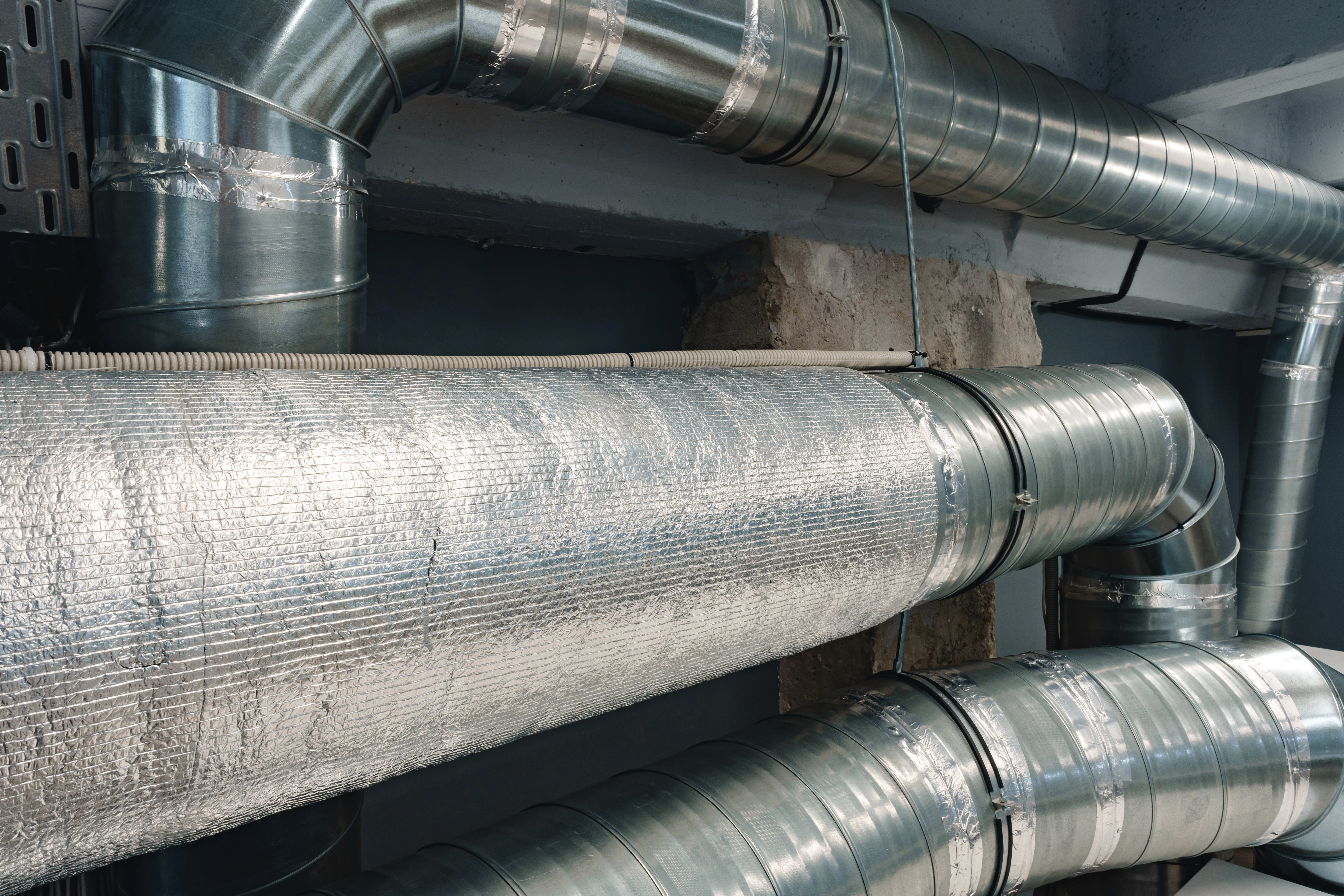
Insulapack's reflective bubble foil insulation works differently. The multi-layer bubble foil construction traps sealed air pockets within the material itself — the thermal resistance comes from inside the product, not from the gap between the product and the surface.
The result: no spacer required. No air gap required. The product achieves R-10.6 per inch in direct contact with the surface.
For tight mechanical room insulation, this is the functional difference between a product that works on that job and one that doesn't. The spec is met. The installation is correct. The system performs.
This isn't a workaround. Insulapack has manufactured reflective bubble foil insulation this way since 1975 — 50 years of commercial and industrial installations across Canada and the United States.
ASTM E84 Class A — Why Fire Rating Matters in Mechanical Rooms
Mechanical rooms are not exempt from fire code. Any insulation installed on ductwork or piping in a commercial mechanical room must meet ASTM E84 Class A fire rating requirements — Flame Spread Index of 25 or less, Smoke Developed Index of 450 or less.
Some contractors assume flexible or foam-based alternatives that fit in tight spaces will pass code. Many don't. Non-compliant insulation can fail inspection outright, require complete removal, and set a project back weeks.
Insulapack's reflective bubble foil insulation is ASTM E84 Class A rated. That rating is confirmed — not claimed. It meets the fire performance standard required for commercial applications in mechanical rooms, equipment rooms, and pipe chases in both Canada and the United States.
If the spec includes ASTM E84 Class A and you're working in a confined space, the product needs to satisfy both requirements at the same time. Not one or the other.
HVAC Duct Insulation in Confined Spaces — What Correct Installation Looks Like
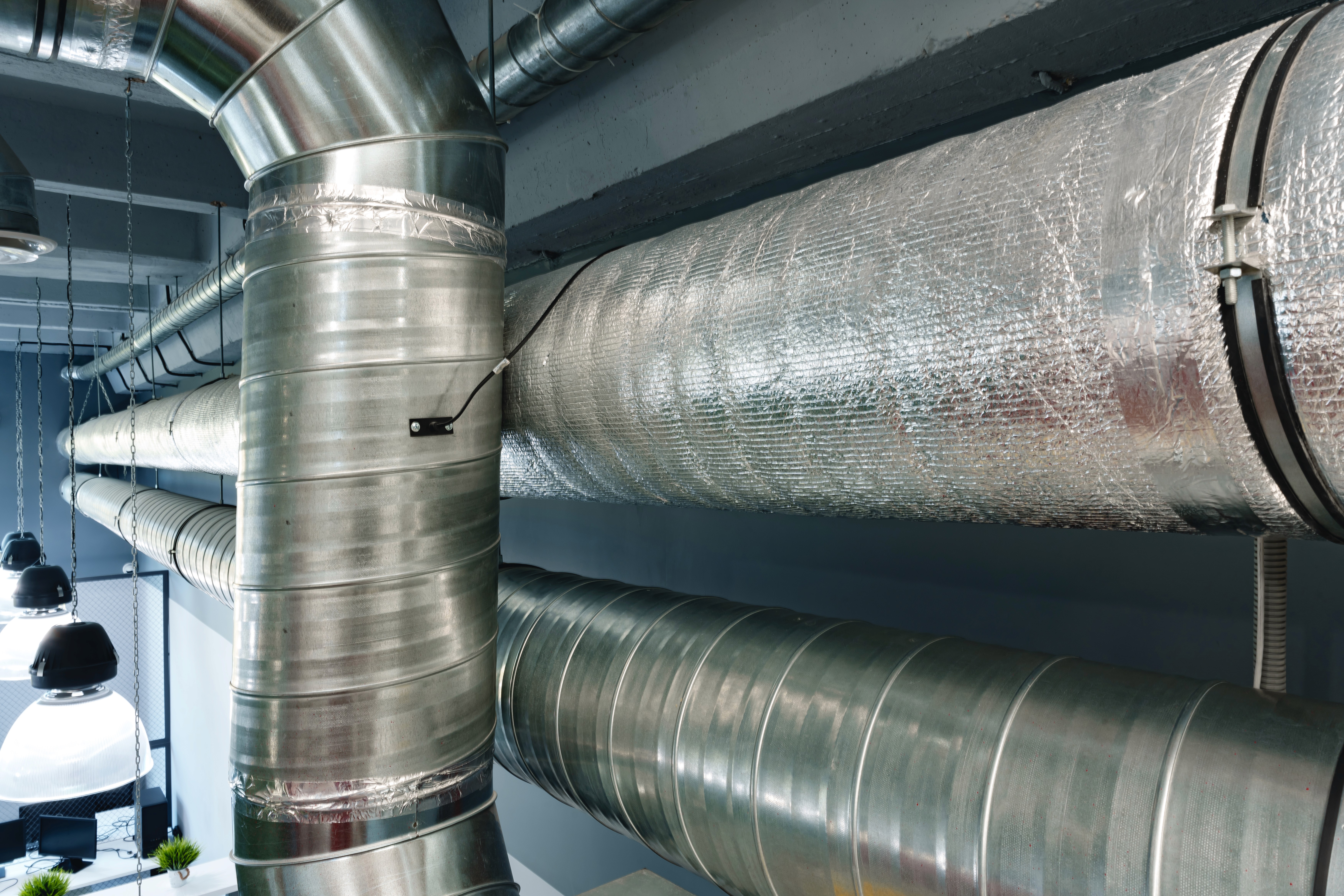
For duct insulation in tight mechanical rooms, correct installation with reflective bubble foil insulation looks like this:
1. Measure the available clearance. There's no minimum airspace requirement. The product can be applied directly to the duct surface.
2. Cut and wrap. The material is flexible and can conform to rectangular and round duct configurations. Seams are sealed with foil tape rated for HVAC applications.
3. Seal penetrations and seams. Every seam needs to be fully sealed to maintain the thermal and vapour barrier. No gaps, no open edges.
4. No spacer installation required. Traditional reflective insulation products require furring strips or standoffs to create the required airspace. With Insulapack's product, that step doesn't exist. That saves time on every job.
5. Inspection-ready. Class A fire rating and R-10.6 per inch performance — documented and confirmable against the spec sheet.
The installation is faster precisely because the workarounds for airspace don't apply.
Pipe Insulation in Tight Chases — Same Problem, Same Answer
Pipe chases present the same constraint. Pipes running through confined mechanical spaces often have no room for bulky fibreglass pipe insulation, and foam pipe insulation frequently falls short on thermal performance and fire rating for commercial specs.
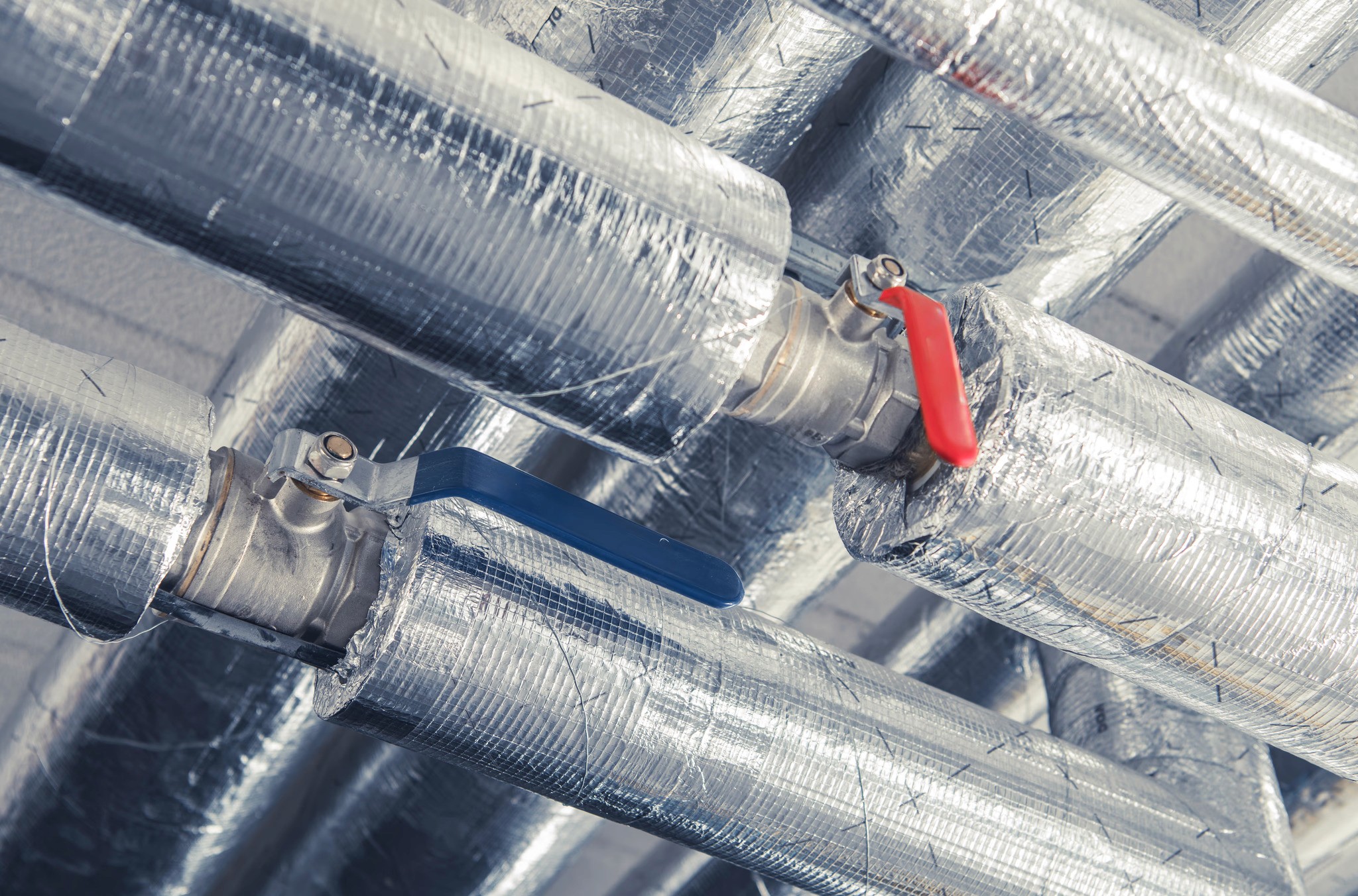
Insulapack's pipe insulation wrap applies directly to the pipe surface — no airspace required — and achieves the same ASTM E84 Class A rating. It handles hot and cold applications and can be cut to fit irregular spacing around fittings, elbows, and supports.
For contractors working in confined mechanical rooms where multiple systems share a chase, the ability to wrap directly without adding clearance requirements is a practical necessity.
Choosing Tight Mechanical Room Insulation: What to Ask
Before specifying or ordering insulation for a tight mechanical room application, confirm the following:
Does the product require airspace to achieve its rated R-value? If yes, verify you can meet that clearance requirement. If you can't, the product's rated performance doesn't apply.
What is the fire rating? ASTM E84 Class A is the standard for commercial mechanical room applications.
Is the product LEED compliant? Many commercial projects in Canada and the United States require LEED documentation. Insulapack's reflective bubble foil insulation is LEED compliant and uses non-toxic, recyclable materials.
What are the lead times? Offshore-sourced insulation products often have long lead times that impact project schedules. Insulapack manufactures in Canada with fast lead times.
These are the questions that matter on a commercial job — not marketing language.
Conclusion
Tight mechanical rooms don't accommodate most insulation products. They need a product that performs without the airspace requirement that makes standard reflective insulation impractical in confined spaces.
Insulapack's reflective bubble foil insulation — no airspace required, R-10.6 per inch, ASTM E84 Class A rated — has been solving this specific installation problem for contractors across Canada and the United States for 50 years.
If you have a project with tight clearances and need to confirm whether Insulapack's product is the right fit, request a quote. Our team responds within one business day.
Technical Specifications