HVAC Insulation Installation Methods
No Spacer Required Insulation: Faster Installation for Commercial Projects
Most reflective insulation fails in tight mechanical rooms, because it needs airspace. Here's why Insulapack doesn't, and what that means on-site.
No Spacer Required Insulation: How It Works in Commercial Jobs
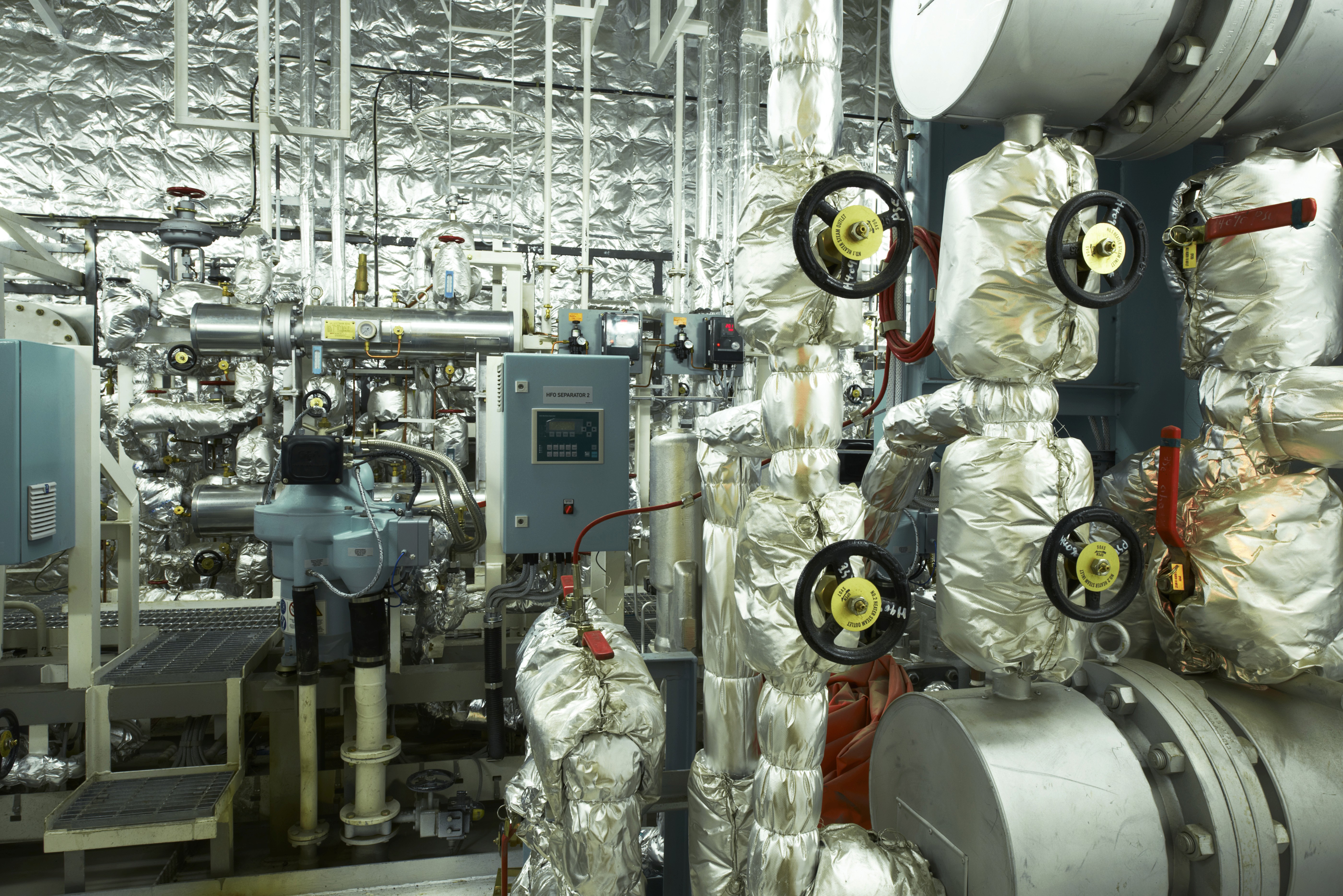
You've quoted the job. The mechanical room is tight — tighter than the drawings suggested. The ductwork runs close to the wall, the pipes are stacked, and there's nowhere to create the 3/4" airspace the reflective insulation spec sheet calls for.
You either find a product that actually works in those conditions, or you call back the engineer.
This is the exact problem that no spacer required insulation was built to solve.
Why Most Reflective Insulation Requires Airspace
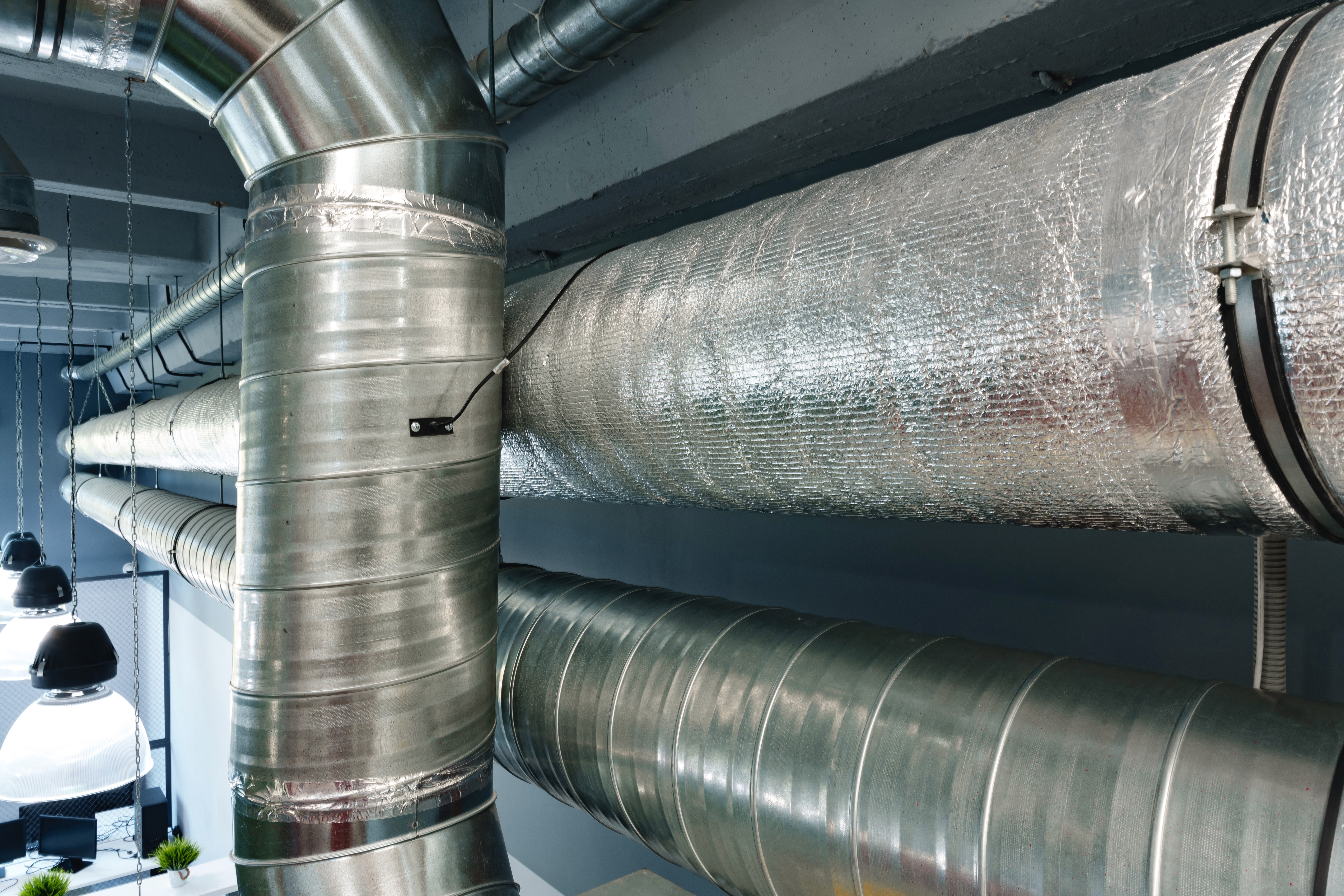
Reflective insulation works by reducing radiant heat transfer — it bounces heat back rather than absorbing it. But most single-layer reflective products need a clear air gap between the insulation surface and whatever it's touching to function at their rated R-value.
Without that gap, the radiant barrier has nothing to work against. The thermal resistance drops. The product underperforms. And on a commercial job with a performance spec, underperformance means callbacks.
The standard requirement is between 3/4" and 1" of clear airspace on at least one side of the material. In a wide-open warehouse or new construction with generous clearances, that's workable. In a tight mechanical room, a pipe chase, or a retrofit on existing equipment — it often isn't.
The physics aren't wrong. The format is the problem.
How Multi-Layer Bubble Foil Eliminates the Airspace Requirement
Insulapack's reflective bubble foil insulation is built differently. Instead of relying on external airspace to create thermal resistance, the product traps sealed air pockets inside the material itself — within the multi-layer bubble foil construction.
Those internal air pockets do the same job an external air gap would. The insulation achieves its rated R-value of 10.6 per inch without requiring any clearance, spacer, or standoff on either side.
Install it direct to substrate. Direct to duct surface. Directly against pipe or equipment — no gap required.
This isn't a workaround. It's the way the product was engineered from the start, when Insulapack first started manufacturing reflective bubble foil systems in 1975.
What This Means on a Commercial Job Site
No spacer required insulation changes the installation calculation in a few practical ways:
Tight mechanical rooms become manageable. Equipment rooms in commercial buildings, especially retrofits and tenant improvements, are rarely generous with space. When insulation can be installed direct-contact, you stop working around clearance problems that don't have solutions.
Installation is faster. Spacers, standoffs, and battens add labour and material. Eliminating them cuts time. On a large commercial duct run or a pipe insulation scope, that adds up.
The spec is easier to hit consistently. When airspace is required, you're relying on consistent installation practice across a crew and a project. When there's no airspace requirement, there's less variability. The R-value is either there or it isn't — and it doesn't depend on how carefully someone maintained a 3/4" gap across 400 linear feet of duct.
Inspection risk drops. ASTM E84 Class A fire rating. Flame Spread ≤25. Smoke ≤450. These are the numbers that matter when the inspector shows up. Insulapack's reflective bubble foil insulation meets ASTM E84 Class A across its product line. When your installation matches the spec sheet, you're not sweating the closeout.
Applications Where No Airspace Insulation Performs Best
This product class was designed for commercial and industrial environments. The applications where it solves the hardest problems:
HVAC duct insulation — Especially on rectangular ductwork running through tight ceiling cavities or mechanical rooms where clearance to structure is minimal.
Pipe insulation wrap — Hot and cold pipe runs, stacked systems, pipe chases where external standoffs aren't practical.
Wall cavity insulation — Commercial wall assemblies where continuous insulation is spec'd and direct-to-framing installation is required.
Basement and foundation insulation — Direct-to-concrete applications where creating an air gap would eat into usable space.
Roof and ceiling insulation — Retrofit applications where adding thickness or standoffs isn't an option.
In each of these cases, the no airspace required characteristic isn't a marketing point — it's the reason the product can be installed correctly where a traditional reflective product would fail the spec.
The 50-Year Track Record Behind the Product
Insulapack has been manufacturing reflective bubble foil insulation systems since 1975. That's 50 years of commercial and industrial installations across Canada and the United States.
The multi-layer bubble foil construction isn't a recent development. It was the founding product logic — build the thermal resistance into the material, not into the installation requirement.
Contractors across North America have been specifying and installing Insulapack products on commercial projects in tight spaces, mechanical rooms, and industrial environments for decades. The no spacer required performance is not theoretical. It's been tested on the job in both countries, across every major application type.
LEED compliance, non-toxic and recyclable materials, and fast North American lead times are part of the standard product offering. But the airspace-free installation is what gets it specified in the first place.
Before You Quote the Next Tight Space
If you're pricing a job where airspace is a problem, or you want to spec a product that your crew can install correctly in any condition, request a quote from Insulapack.
The team responds within one business day. Bring the application, the specs, and the constraints. If no spacer required insulation is the right call for your job, you'll know before you submit the bid.
Technical Specifications